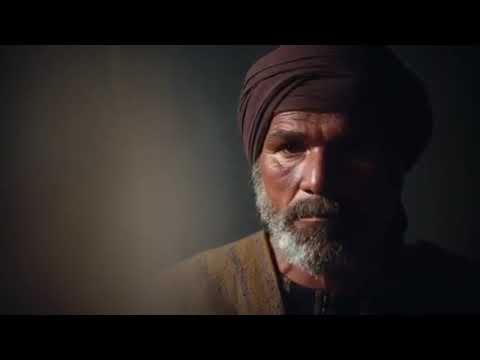
Gospel
Matthew 21:33-43, 45-46
33 Jesus said to the chief priests and the elders of the people: “Hear another parable. There was a landowner who planted a vineyard, put a hedge around it, dug a wine press in it, and built a tower. Then he leased it to tenants and went on a journey. 34 When vintage time drew near, he sent his servants to the tenants to obtain his produce. 35 But the tenants seized the servants and one they beat, another they killed, and a third they stoned. 36 Again he sent other servants, more numerous than the first ones, but they treated them in the same way. 37 Finally, he sent his son to them, thinking, ‘They will respect my son.’ 38 But when the tenants saw the son, they said to one another, ‘This is the heir. Come, let us kill him and acquire his inheritance.’ 39 They seized him, threw him out of the vineyard, and killed him. 40 What will the owner of the vineyard do to those tenants when he comes?” 41 They answered him, “He will put those wretched men to a wretched death and lease his vineyard to other tenants who will give him the produce at the proper times.” 42 Jesus said to them, “Did you never read in the Scriptures: *The stone that the builders rejected has become the cornerstone; by the Lord has this been done, and it is wonderful in our eyes?* 43 Therefore, I say to you, the Kingdom of God will be taken away from you and given to a people that will produce its fruit.” 45 When the chief priests and the Pharisees heard his parables, they knew that he was speaking about them. 46 And although they were attempting to arrest him, they feared the crowds, for they regarded him as a prophet.
Introduction
The passage from Matthew 21:33-43, 45-46 presents one of Jesus’ most powerful parables, often referred to as the Parable of the Tenants. This story, told during the final week of Jesus’ life, carries layers of meaning for both its original audience and readers today.
Historical Background
Jesus shares this parable in Jerusalem, addressing the chief priests and Pharisees shortly after his triumphal entry into the city. At this time, tensions between Jesus and the religious authorities were high, as his teachings and actions challenged their authority and interpretation of the law. Vineyards were common in ancient Israel and often symbolized the nation itself in prophetic literature, making the parable’s imagery immediately recognizable to Jesus’ audience.
Theological Context
The parable uses the vineyard as a metaphor for Israel, the tenants as the leaders entrusted with its care, and the servants and the son as the prophets and ultimately Jesus himself. The rejection and mistreatment of the landowner’s messengers highlight Israel’s history of ignoring God’s call through the prophets. The climactic act—killing the son—foreshadows Jesus’ own rejection and crucifixion. Jesus’ concluding warning, that “the kingdom of God will be taken away from you and given to a people who will produce its fruit,” emphasizes both accountability and the opening of God’s promises to all who believe and bear fruit.
Learning Lessons
God calls us to bear spiritual fruit—acts of love, kindness, and faith—that reflect His Kingdom. We should acknowledge God's gifts, fulfill our responsibilities, and honor Him in our lives. While His patience is great, there is accountability for those who continuously turn away from Him.
Jesus is the "cornerstone," the foundation of faith. Rejecting Him leads to stumbling but embracing Him strengthens our lives. Let us always be open-hearted and listen to God’s call, rather than turning away due to pride or resistance.
Reflection for the Day
Today, this passage invites us to reflect on our response to God’s generosity and trust. Are we faithful stewards of what has been entrusted to us—our gifts, communities, and responsibilities? The parable challenges us to bear fruit in our lives: to act with justice, mercy, and humility. It also reminds us that God’s call extends beyond boundaries, inviting all to participate in the work of the kingdom. May we listen with open hearts and respond with grateful action, recognizing the privilege and weight of being co-workers in God’s vineyard.
Poem
The stone once cast aside with scorn,
By builders' hands, forlorn,
Has risen high, a steadfast throne,
The cornerstone of hope is born.
By the Lord’s hand, this fate was sealed,
A truth divine, in love revealed.
What once was lost now takes its place,
A wondrous sign of boundless grace.
Rejection turned to radiant might,
Darkness yields to holy light.
In humble hearts His work is done,
God's masterpiece, the Risen Son.
So let us marvel, lift our eyes,
Behold the gift, the heavens’ prize.
The stone once scorned, now firmly stands,
A testament to God’s great plans.
Prayer
Lord Jesus,
You are the stone once rejected, now the cornerstone of our faith, a testament to the wonder of God’s plan. We come to you with humble hearts, Grateful for your unshaken foundation in our lives. Teach us to trust in your divine purpose, even when the world turns away from your truth.
Lord, may we see the beauty in your work, In moments of pain, in paths we don’t yet understand. Let us be builders of your Kingdom, anchored in love, guided by your light. By your grace, make us vessels of hope, bearing witness to the marvel of your mercy. For what you have done is truly wonderful, and we stand in awe of your eternal love.
Amen.
Pericope:
VI: Ministry in Judea and Jerusalem
THE PARABLE OF THE TENANTS
Matthew 21:33-46
God so loved the world that he gave his only-begotten Son; so that everyone who believes in him might have eternal life.
Reflection Source:
Conversation with Copilot
Published:
March 21, 2025, 8:32 AM